Microsoft Activation Scripts 3.12: Overview, Features, Risks, and What Users Should Know
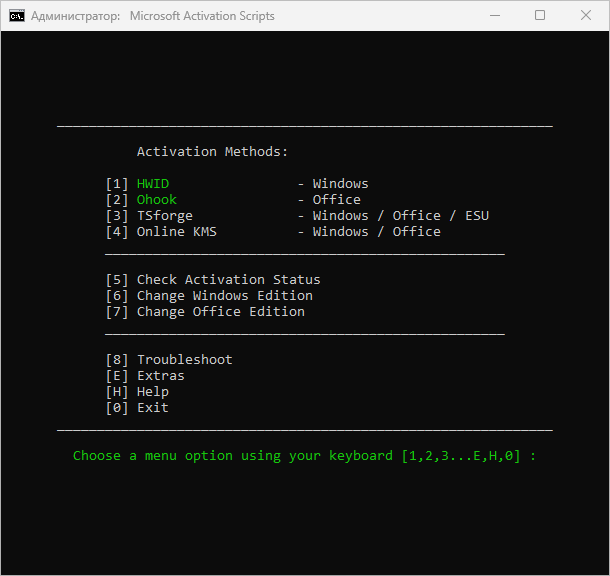
Microsoft Activation Scripts, commonly known as MAS, is an open-source project associated with Windows and Microsoft Office activation methods. Version 3.12 continues the project’s focus on providing several activation-related options, including methods commonly referred to as HWID, Ohook, TSforge, and Online KMS. According to the project’s public release notes, MAS 3.12 introduced changes related to TSforge and HWID, including a shift toward KMS4k as the default Windows-only option instead of StaticCID.
Although MAS is widely discussed online because of its simplicity and open-source nature, it is important to understand that unofficial activation tools operate outside Microsoft’s standard licensing system. Using such tools may violate Microsoft’s terms of service, create legal risks, or expose users to security problems, especially when downloaded from unofficial mirrors or modified third-party sources.
What Is Microsoft Activation Scripts?
Microsoft Activation Scripts is a collection of scripts designed to interact with Windows and Office activation systems. The project is known for combining multiple activation approaches into one menu-based tool. Its popularity comes from the fact that it is lightweight, script-based, and frequently updated to respond to changes in Windows, Office, and Microsoft licensing behavior.
Unlike official Microsoft activation, which depends on a purchased license, digital entitlement, organization-managed license, or Microsoft account-linked activation, MAS relies on unofficial activation techniques. This is the most important point users should understand before considering it.
What Is New in MAS 3.12?
Version 3.12 mainly focuses on improvements and changes around TSforge and HWID-related behavior. One of the highlighted changes is that TSforge now defaults to KMS4k for the Windows-only option instead of StaticCID. The reason given by the project is that KMS4k is considered more suitable for most users because it can persist through hardware changes and does not require an internet connection in the same way StaticCID does.
The update also mentions a change to the Installation ID used by HWID. This suggests that MAS 3.12 is not a visual redesign or a completely new tool, but rather a compatibility and behavior-focused update aimed at keeping its existing activation methods functional.
Main Features Commonly Associated with MAS
MAS is generally known for offering multiple activation-related methods in one package. These may include Windows activation, Office activation, extended update-related options, and troubleshooting functions. Its command-line style and simple menu system make it accessible even to users who are not advanced system administrators.
Another major reason behind its popularity is transparency. Since the project is open-source, technically skilled users can inspect the code and see how the scripts work. However, open-source availability does not automatically make a tool legal, safe, or suitable for everyone.
Security Concerns
The biggest security risk with tools like MAS is not always the original project itself, but the many copies, mirrors, repackaged versions, and fake download pages that appear online. Unofficial activation tools are often used by malicious websites to distribute malware, password stealers, unwanted browser extensions, or modified scripts.
Running any activation script with administrator privileges can be risky because it may change system files, licensing services, registry entries, scheduled tasks, or security-related settings. Users who do not fully understand what a script does should be extremely careful.
Legal and Licensing Issues
Microsoft products such as Windows and Office are commercial software. Activating them without a valid license may violate Microsoft’s licensing terms and local software laws. Even if a tool works technically, that does not mean the activation is legitimate.
For individuals, the safest route is to use a genuine Windows or Office license. For businesses, schools, and organizations, official volume licensing or Microsoft 365 subscriptions are the proper options. Using unofficial activation methods in a professional environment can create compliance problems and potential audit risks.
Why People Search for MAS
Many users search for Microsoft Activation Scripts because they want to remove Windows activation messages, unlock personalization settings, or use Office without buying a license. Others are simply curious about how activation systems work. The project has also gained attention because it is openly hosted and widely discussed in online communities.
However, popularity should not be confused with safety or legality. Tools that bypass licensing systems can attract unwanted attention, and users may face system instability, activation failure after updates, or exposure to harmful modified versions.
Safer Alternatives
The safest alternative is to purchase a genuine Windows license or use a device that already includes a valid digital license. For Office, users can use Microsoft 365, a one-time Office license, or free web-based Microsoft Office apps with a Microsoft account.
Users who only need basic document editing can also consider free alternatives such as LibreOffice, OnlyOffice, or Google Docs. For operating systems, Linux distributions can be a legitimate free alternative for users who do not require Windows-specific software.
Final Verdict
Microsoft Activation Scripts 3.12 is a notable update in the MAS project, mainly focused on TSforge and HWID-related changes. It remains a widely known unofficial activation tool for Windows and Office, but it comes with serious legal, security, and reliability concerns.
For educational or research purposes, MAS may be interesting as an example of how software activation tools are discussed in the open-source community. For everyday users, however, the safest and most responsible choice is to use official Microsoft licensing or legitimate free alternatives.